1. 46 artists are featured in the exhibition
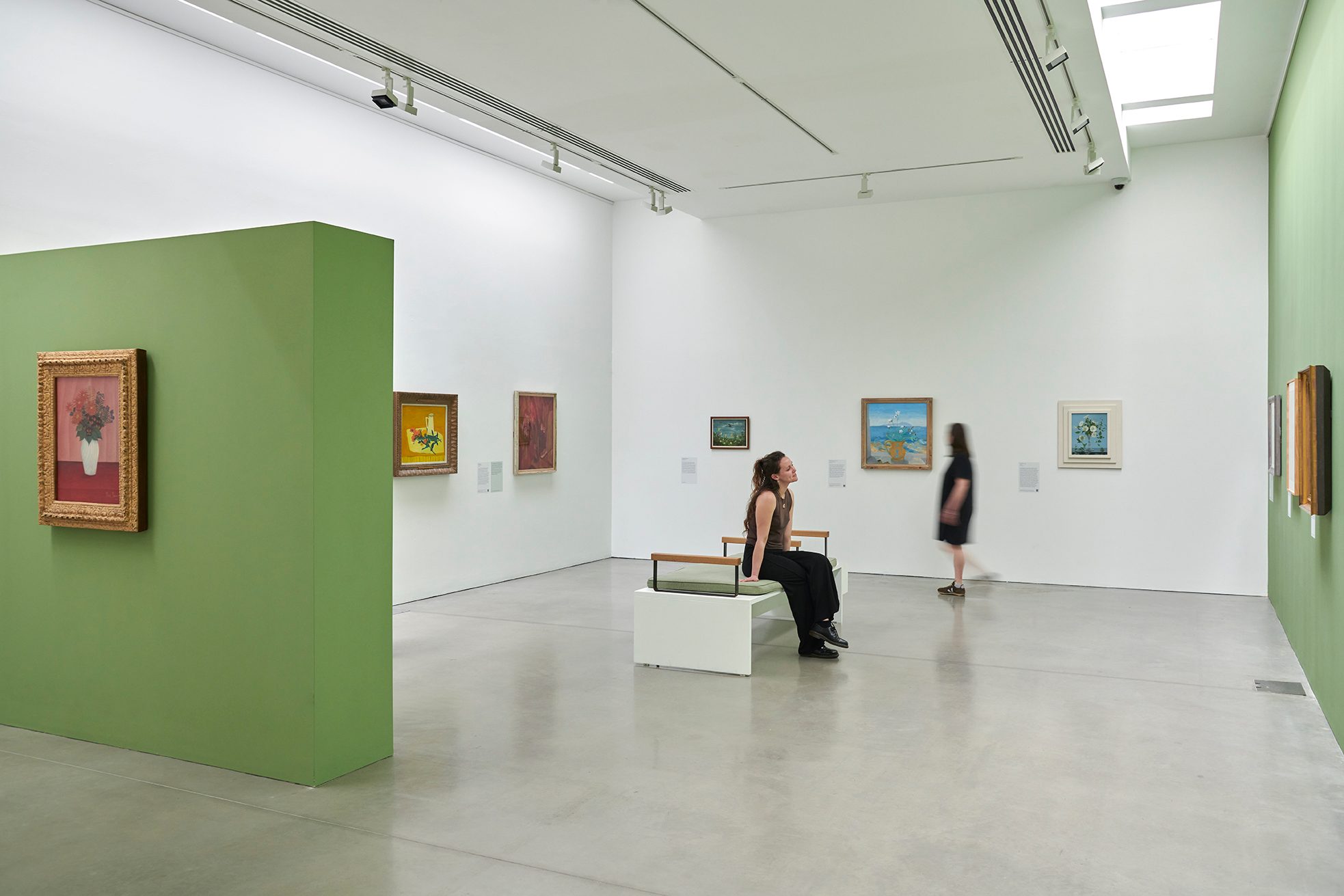
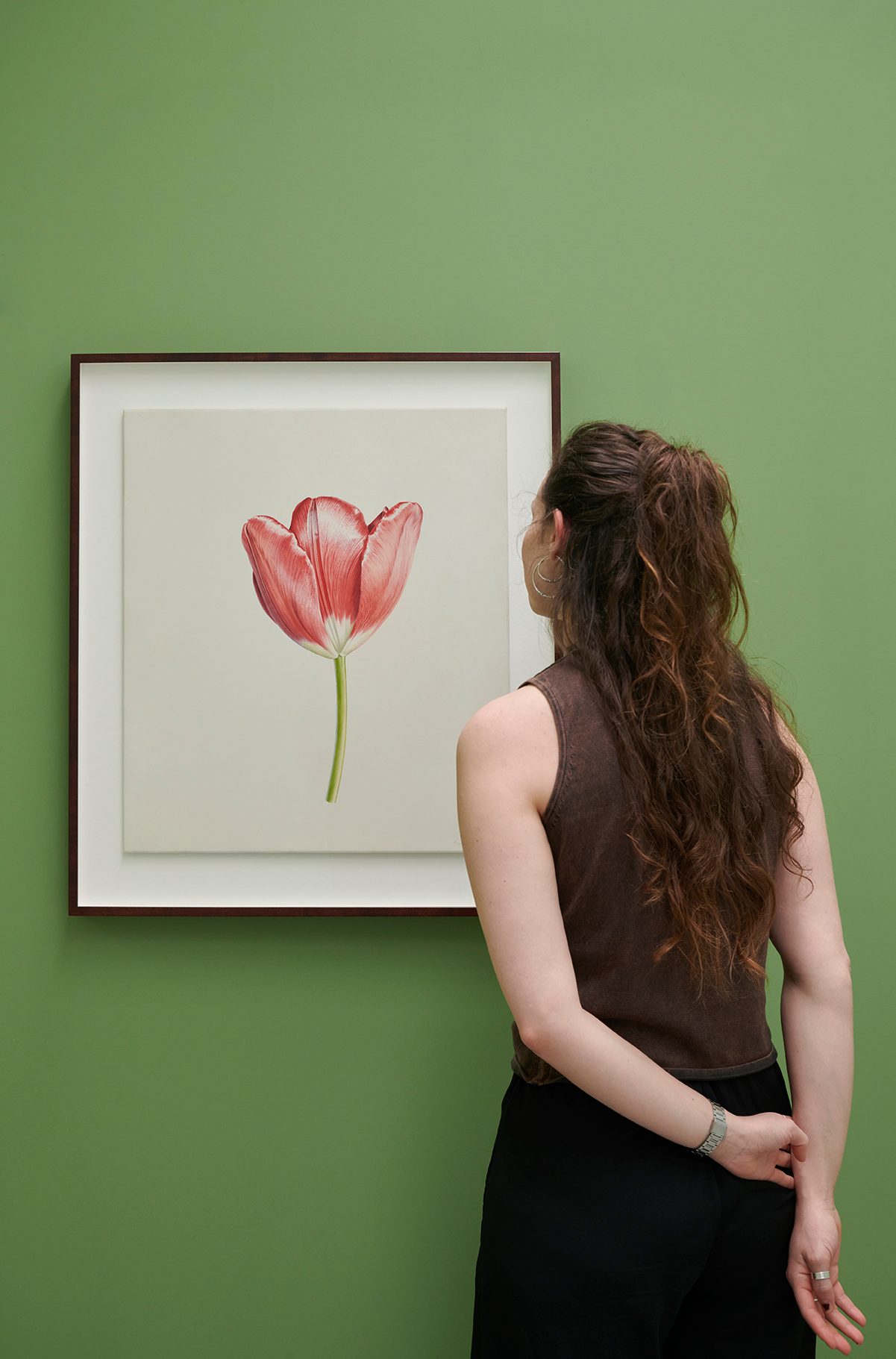
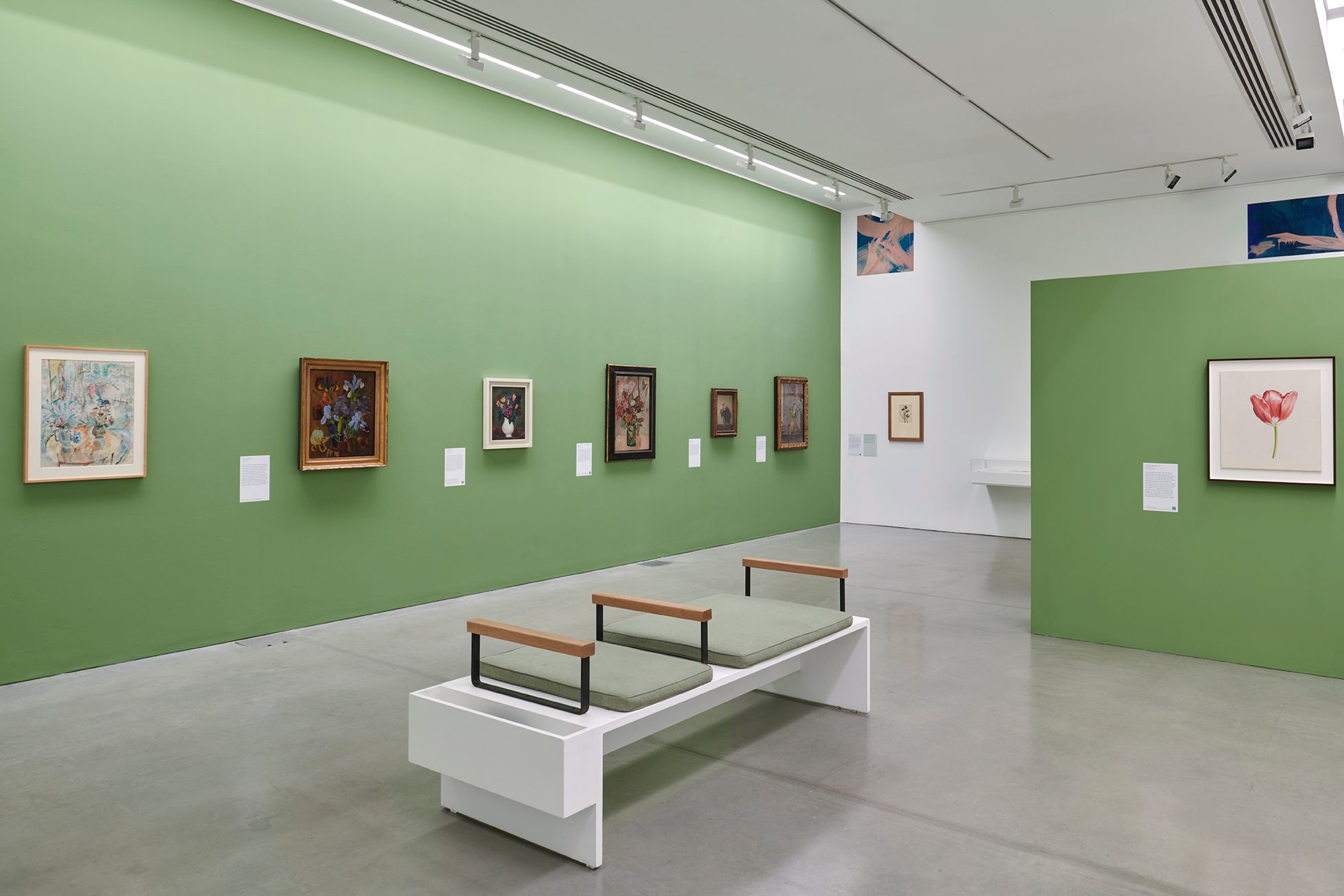
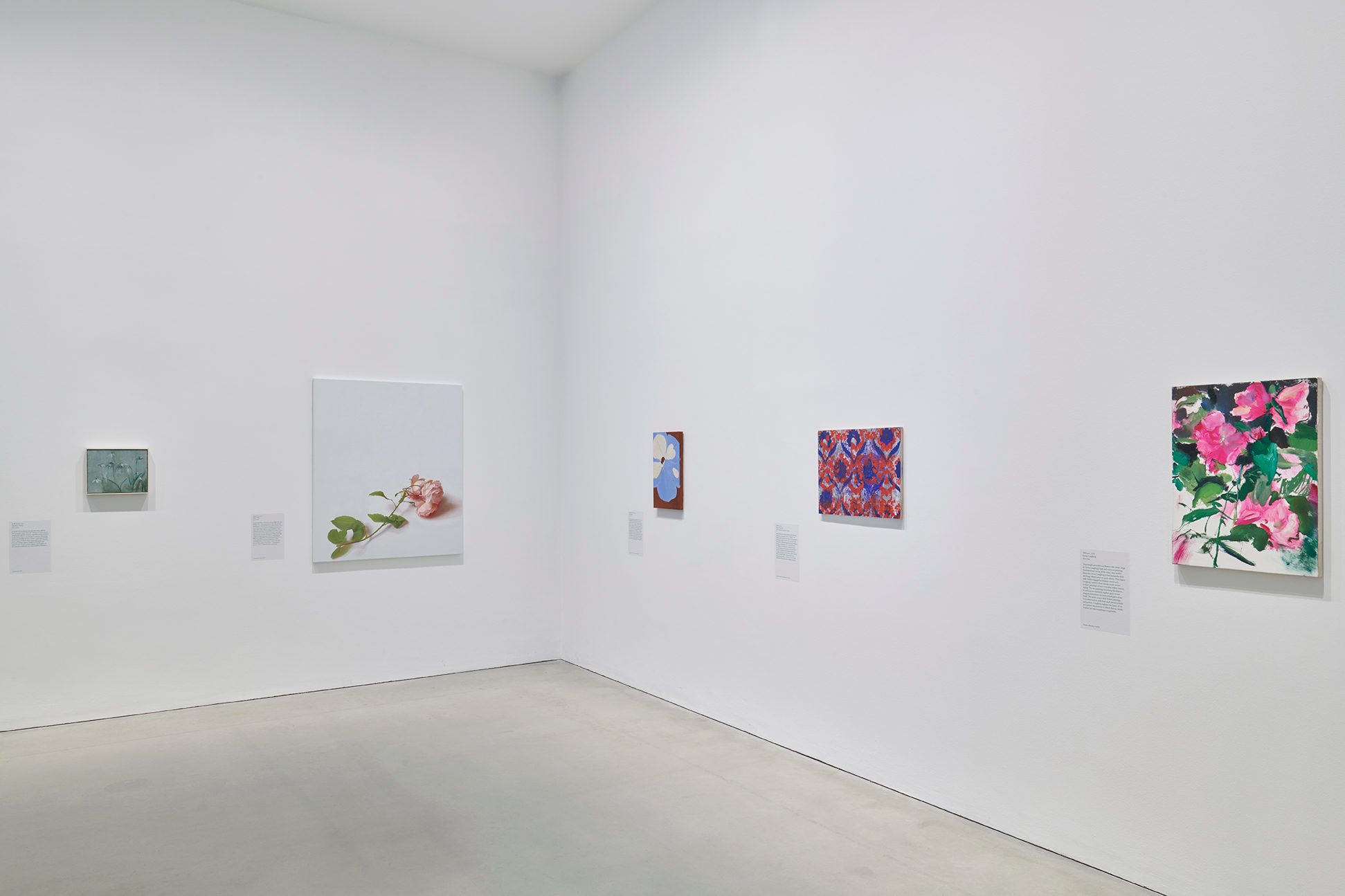
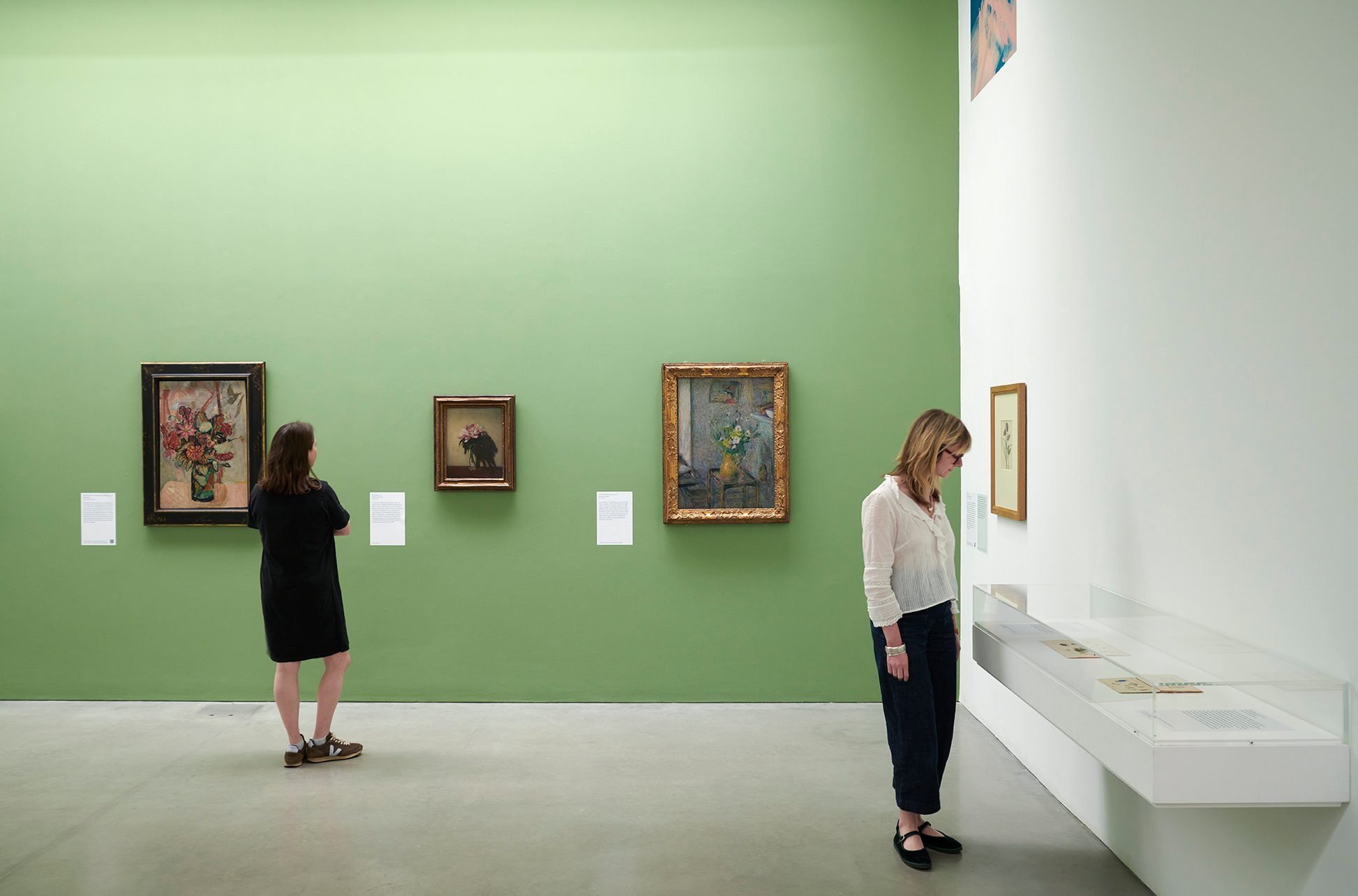
Handpicked: Painting Flowers celebrates the astonishing beauty and importance of flower paintings from the last 125 years, through the works of 46 artists. The exhibition spans from the early Modernism of Vanessa Bell’s Still-life of Dahlias, Chrysanthemums and Begonias (1912) and Henri Rousseau’s Bouquet of Flowers (c. 1909-10) to new and experimental approaches by contemporary artists including Lubaina Himid, Bianca Raffaella, and Cassi Namoda. Visit the exhibition to see one artwork by each artist and experience a huge variety of responses to the genre of flower painting.

2. The exhibition explores a range of complex emotions

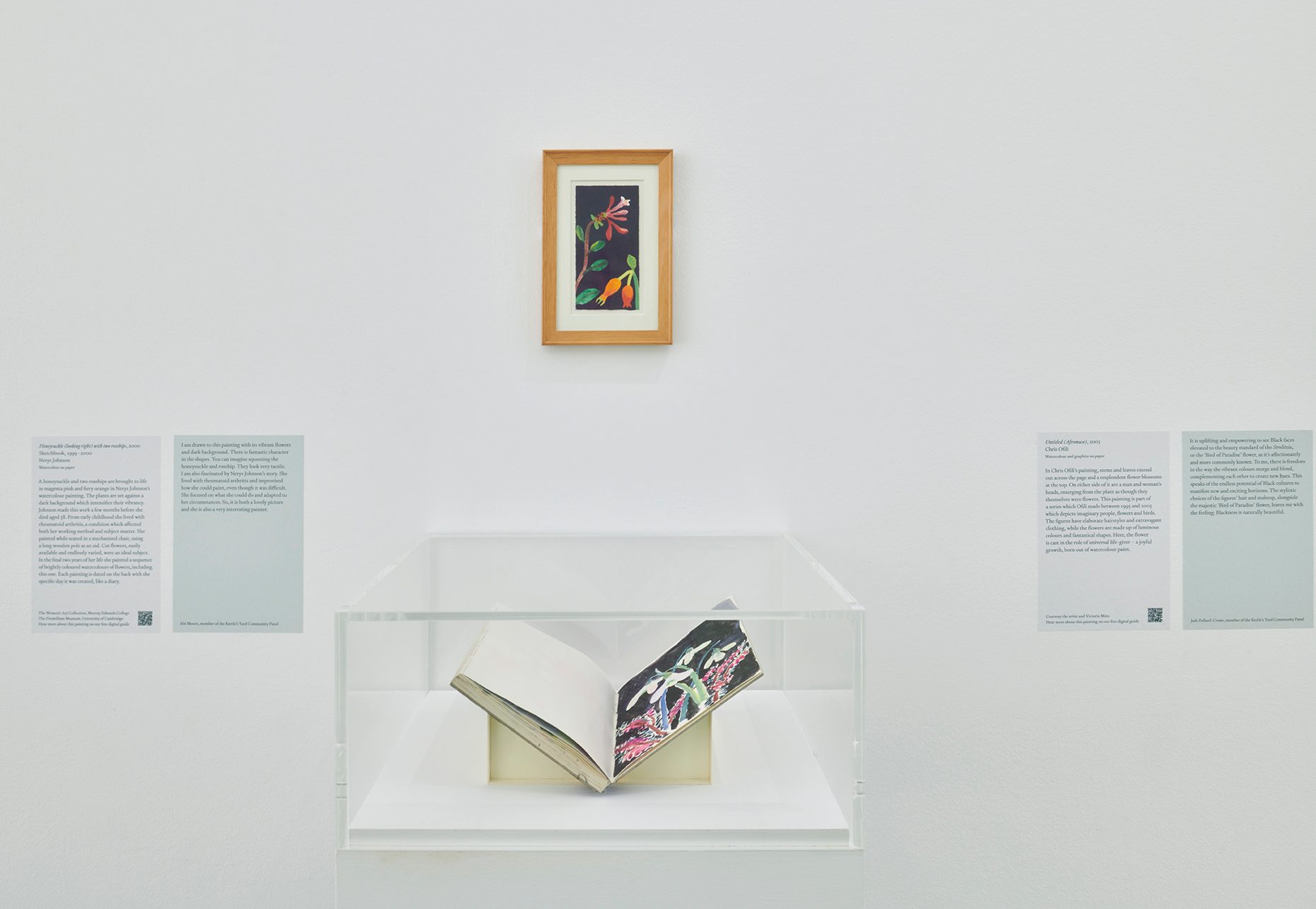
The exhibition highlights how for many artists, painting flowers is a way of expressing intense emotions and personal experiences. The flower paintings featured in this exhibition carry multiple meanings, from the intimate and personal to the universal and political, as the exhibition artists use flowers to reflect on illness, grief and war, as well as love, sex, motherhood and joy.
Flowers in paintings can also be a symbol of the shortness and fragility of human life. For instance, Tirzah Garwood’s Springtime of Flight (1950) was created during the last year of her life after she was diagnosed with cancer in 1948 and shows the artist exploring mortality. The sky in the painting is slightly overcast, suggesting a looming sense of threat, and a lone butterfly and spray of flowers stand out against the cloudy landscape. Although they are both symbols of springtime and new life, butterflies and flowers are also known for their brief lifespans. The delicate aeroplane in the sky may also be a reference to Garwood’s husband Eric Ravilious, who died in a search-and-rescue flight several years earlier. A painting by Ravilious is also featured in the exhibition.
3. The exhibition was organised in collaboration with the Kettle’s Yard Community Panel
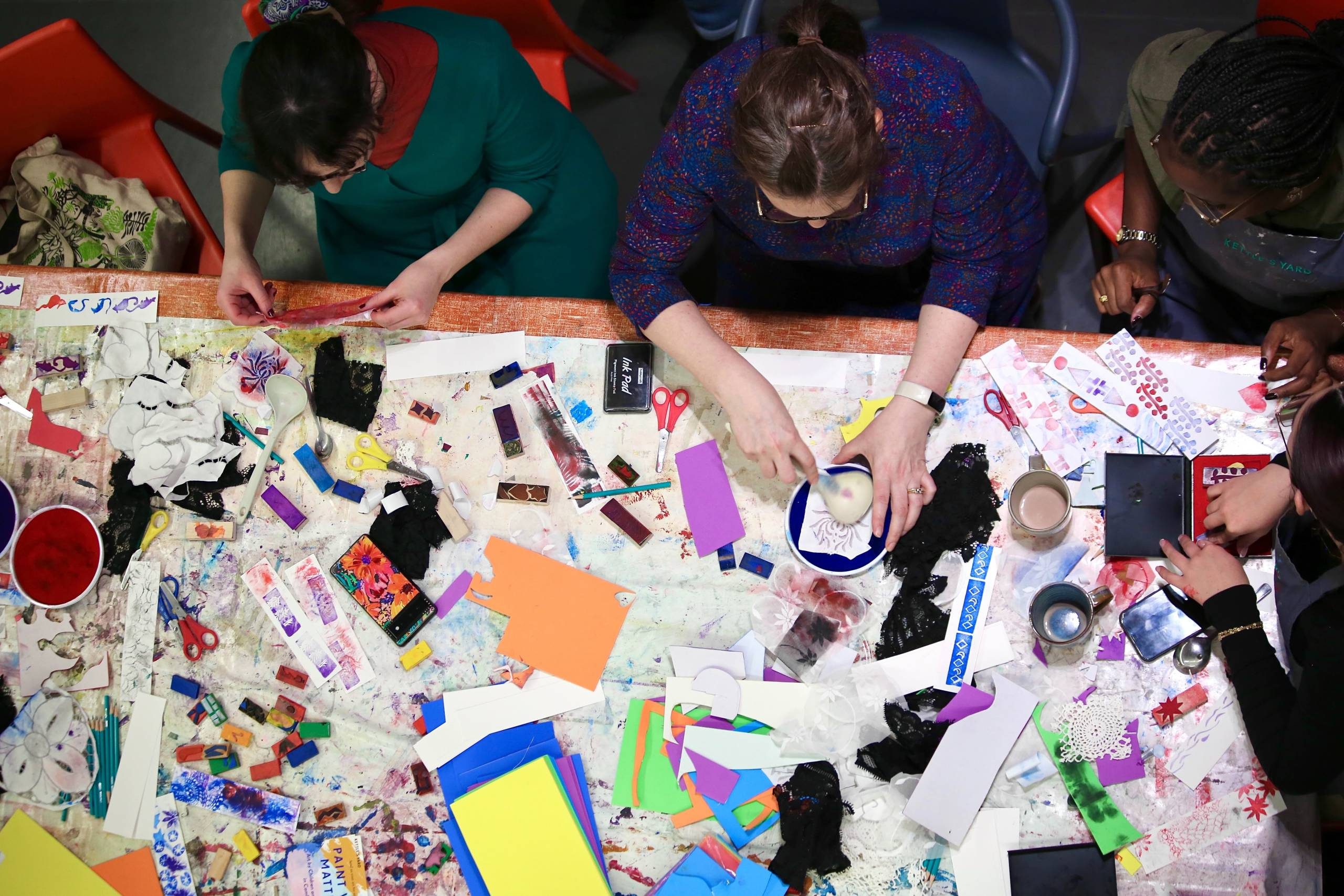
Members of the Kettle’s Yard Community Panel (Bryan Johnson, Abi Moore, Jade Pollard-Crowe, Alan Soer, and Jenny Wood) played a key role in developing Handpicked: Painting Flowers – the first time that members of the local community have been an integral part of curating an exhibition at Kettle’s Yard. The Community Panel worked with exhibition curators Andrew Nairne, Naomi Polonsky and Megan Breckell to choose the artworks featured and discuss the layout and accessibility of the exhibition space.
The exhibition also includes a display of floral artworks selected by the Community Panel. These artworks have been created in workshops with artists Amy Wormald and Hilary Cox Condron by some of Kettle’s Yard’s community partners: Cambridge Cyrenians Allotment Project; Corona House Art Group; Kettle’s Yard Community Panel; North Cambridge Academy Arts Ambassadors; Rowan Humberstone Student Artists; Romsey Mill. You can see the display going up the stairs at Kettle’s Yard – and look out for a floral surprise in the lift!
Hear Bryan, one of the Community Panel members, discuss the display.

4. Kettle’s Yard collection artists feature in the exhibition
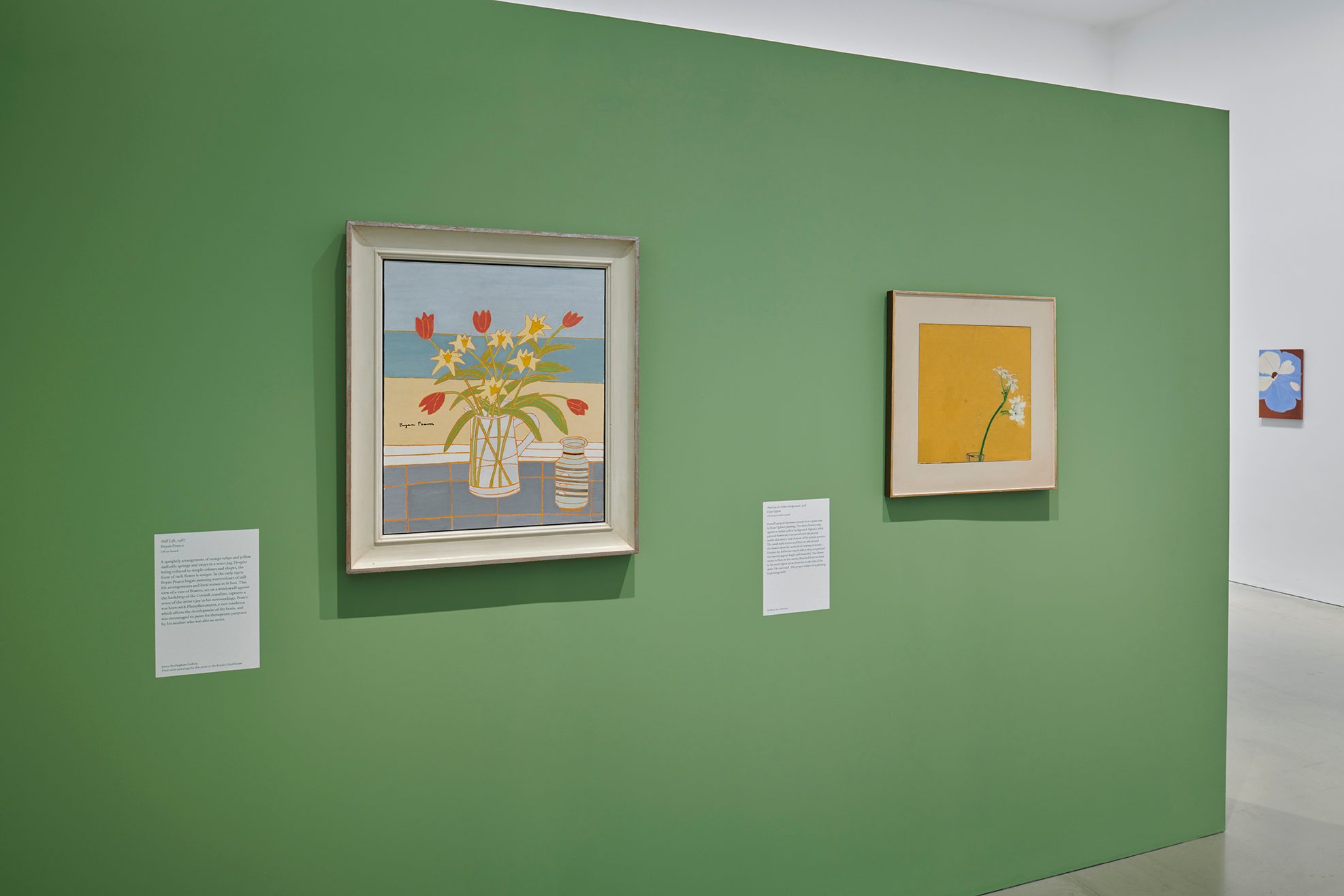
The exhibition includes works by Kettle’s Yard collection artists Lubaina Himid, David Jones, Winifred Nicholson, Bryan Pearce, William Scott and Christopher Wood. Nicholson’s White Campion (c. 1940s) follows the pattern of the artist’s other floral paintings, with flowers depicted in pots, bowls and vases on a windowsill overlooking a landscape, creating a conversation between the domestic interior space and the world beyond. This can also been seen in her painting Cyclamen and Primula (c. 1923), on display in the Kettle’s Yard house. Flowers are a recurring subject in Nicholson’s paintings, and in her 1969 essay The Flower’s Response she wrote: ‘my paint brush always gives a tremor of pleasure when I let it paint a flower’.
Christopher Wood’s The White Vase reflects the artist’s passion for painting nature and rural life. Wood was a self-taught painter, and was inspired by the direct approach to painting of artists such as Henri Rousseau, Alfred Wallis and Vincent Van Gogh. The influence of Van Gogh is clear in The White Vase, where Wood adopts a similar perspective to that most famously seen in his painting of sunflowers. The White Vase was painted in 1930, the same year that Wood painted Flowers, on display in the Sitting Room in the Kettle’s Yard house. Wood tragically died later that year, and these paintings are a lasting legacy of his short life.


5. A number of artists created new works for the exhibition
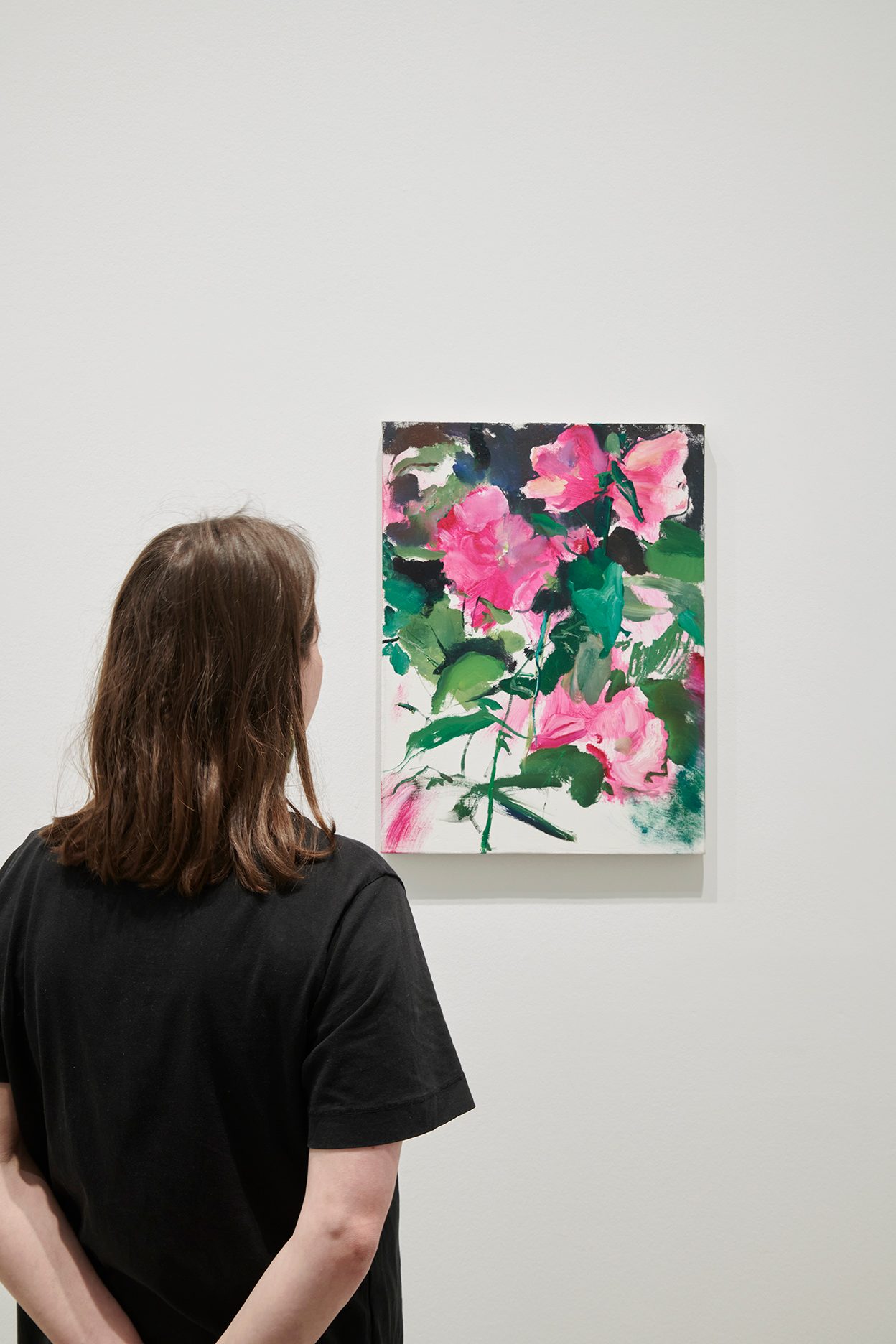
Seven artists created new flower paintings for the exhibition: Anna Freeman Bentley, Kaye Donachie, Lubaina Himid, Bianca Raffaella, Caroline Walker, Alison Watt, and Clare Woods. Clare Woods’ Sweet Hill (2026) is based on photographs of a vase of flowers in Helen Ede’s bedroom in the Kettle’s Yard house, and the title of the work references Honey Hill, the view visible from the bedroom window. However, the setting of the painting is not clear and the background is dark and foreboding. In 2020, whilst recovering from a major surgery, Woods began to photograph the bouquets of flowers sent to her by friends, and later adapted them into paintings.
Helen’s bedroom was also a source of inspiration for artist Anna Freeman Bentley, who created Arrangement III (2025) from images she took at Kettle’s Yard.The title has many possible references: the arrangement of flowers, the arrangement of the domestic space, or the artist’s own arrangement of the composition. When painting, Freeman Bentley altered the composition, making the flowers larger and bringing in more of the surrounding interior.
See the works on display in the exhibition, open until 6 September. Book your visit here

Handpicked: Painting Flowers from 1900 to Today
Shop Handpicked: Painting Flowers