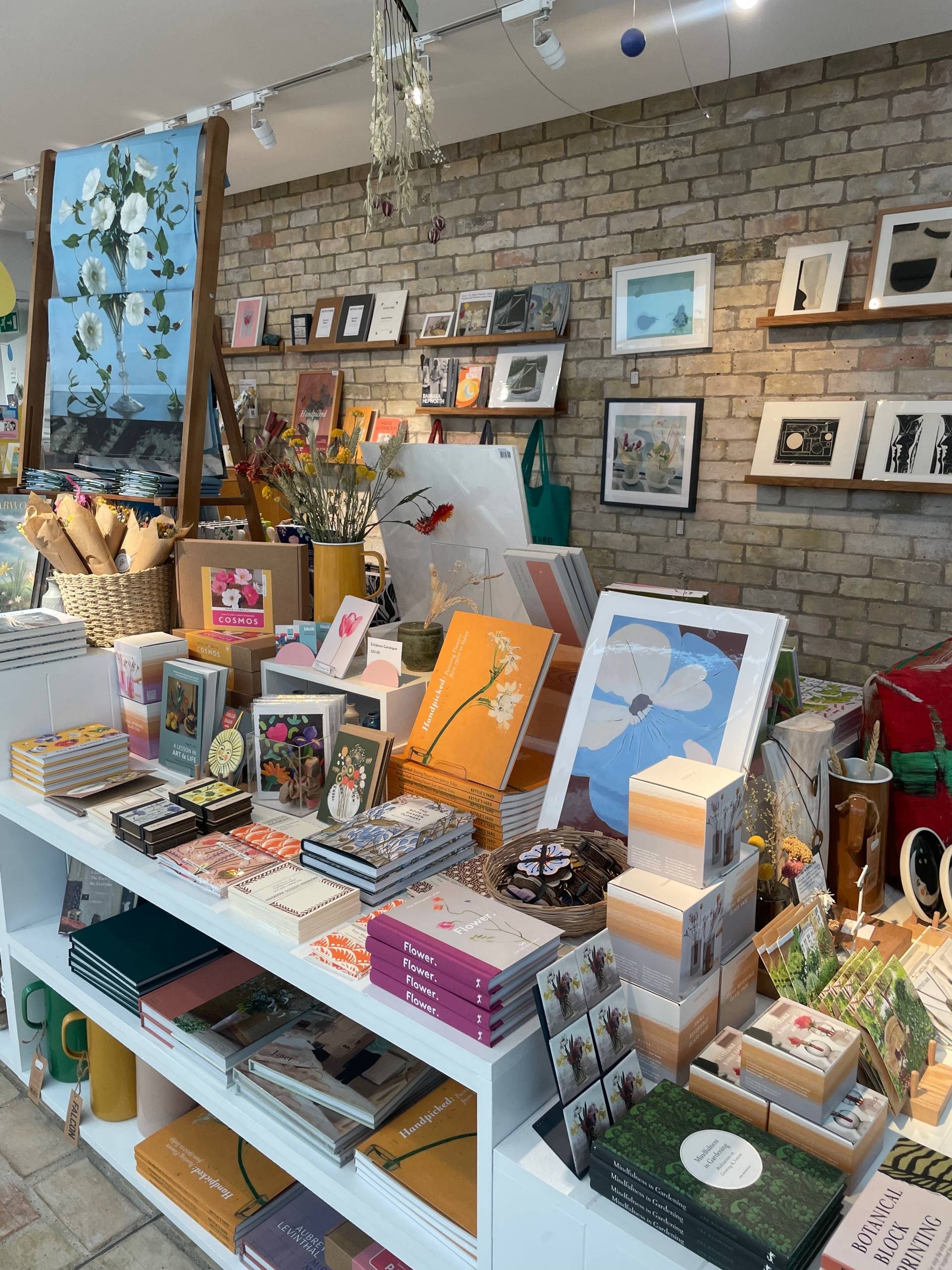
In April 2026, we published two new books, offering a comprehensive and richly illustrated introduction to the artists, spaces and relationships that continue to shape Kettle’s Yard.
The official House Guidebook is a fully revised guide to the Kettle’s Yard house and collection, taking a room-by-room journey through the house.
Art and Artists introduces readers to 34 key artists in the Kettle’s Yard collection, focusing on artists who Jim and Helen Ede knew and whose work they collected between 1957-1973.
Read on to find out more about these essential guides to Kettle’s Yard.
1. Kettle’s Yard offered a unique opportunity for people to explore 20th century art
The House Guidebook explores how the Edes came to establish Kettle’s Yard. During the 1920s and 30s, Jim Ede worked at the Tate (then known as the National Gallery of British Art), where he rose to the role of Assistant Keeper. Jim’s passion for modern approaches to art and sculpture was at odds with the gallery leadership’s more conservative outlook. The Gaudier-Brzeska estate that formed the basis of the Edes’ collection was acquired at this time, which now at Kettle’s Yard also contains the largest number of publicly accessible holdings of early paintings by Ben Nicholson, Winifred Nicholson, and Christopher Wood. Jim Ede and his wife Helen also helped to establish the Cornish painter Alfred Wallis’ place in the history of art.
After the Edes moved to Cambridge, they formed relationships with local artists such as Elisabeth Vellacott. Vellacott recalled in 1995: ‘When Jim first arrived in Cambridge, few people, except for the small group of artists living here, were aware that they lacked any place where they could see and enjoy any contemporary 20th Century Art. The Fitzwilliam were not concerned. Jim was a beam of light to us’. Kettle’s Yard hosted an exhibition of Vellacott’s work in 1981, and continues to champion modern artists to this day.

2. The publications feature unpublished letters from the Kettle’s Yard Archive
Art & Artists introduces a selection of artists included in the Kettle’s Yard collection through their correspondence with Jim Ede, documenting friendships and shared interests. For example, Jim Ede was a supporter of the artist Ovidiu Maitec. In 1971, Ede purchased two of Maitec’s sculptures, and in 1973 he hosted an exhibition of Maitec’s work at Kettle’s Yard. The letters highlight Maitec’s gratitude for Ede:
“I should like to tell you that I was exceedingly impressed by your letter, and though my work has come back to my studio, I am very happy to know that you believe my work to be of worth. My having had the chance of showing my sculptures to you, my having had them exhibited at Kettle’s Yard – due to your permanent appreciation and strenuous efforts make me happy and grateful to you.”
Ovidiu Maitec to Jim Ede, June 1974
“You belong to the few and first who singled out the significance of my work. You and your great achievement Kettle’s Yard have always embodied – to my mind – the ideal meeting between two spirits in front of the mysterious altar of art, when hopes and the realisation of these hopes come true.”
Ovidiu Maitec to Jim Ede, February 1979.
3. The publications celebrate Helen Ede and her legacy at Kettle’s Yard
The Edes’ grandchildren Jane and Quince remember Helen’s bedroom at Kettle’s Yard as a more informal space, different to the other spaces in the house. Helen’s bedroom and bathroom were closed to visitors, offering Helen privacy during her time living at Kettle’s Yard. In the House Guidebook, Jane recalls ‘sewing, everywhere’ and children’s drawings, which their grandmother always showed an interest in. Quince also remembers more practical items, including Helen’s sewing machine and the ironing board, as well as many books.
Helen was also a talented pianist, and concerts at Kettle’s Yard originally took place in the upper cottages using her Bechstein piano. This musical legacy continues at Kettle’s Yard to this day, with a variety of Chamber Music, Student Music, and New Music Concerts.
Did you know that the large bureau underneath William Congdon’s Indian Temples No.1 in the upper extension contains a record player? The bench opposite was positioned so that the Edes and their guests could sit and listen to music in front of the sunny window.

4. The History of Kettle’s Yard
An introduction to the House Guidebook explores the history of the area known as Kettle’s Yard on which the house and gallery now stand. The site derived its name from the Kettle family, with connections to the site dating back to the eleventh century. In the eighteenth century, the family built a theatre on the site, but this was closed by the University of Cambridge on the grounds that it would corrupt the morals of the students. Kettle’s Yard gradually declined, becoming one of Cambridge’s poorest areas.
By the early twentieth century, the area was a place for small businesses and tradespeople, bustling with cottages, workshops, pubs and shops. Kettle’s Yard then fell into decline in the following decades due to a lack of investment. After the second world war, there was a national drive for reconstruction, and many of the run-down buildings at Kettle’s Yard were demolished as new housing for elderly residents was built on Honey Hill. Only the four abandoned cottages that would become Kettle’s Yard were spared, saved through the efforts of the Cambridge Preservation Society, but still derelict when Jim and Helen Ede first visited the site in 1956.

5. Objects have as much significance as the artworks on display
At Kettle’s Yard, Jim Ede arranged his collection of art, furniture, glass, ceramics, and other objects gathered throughout his lifetime, particularly sharing his collection of found objects such as shells and pebbles. By carefully considering the precise position of each work of art and object, and their relationship with each other, he aimed to create a perfectly balanced whole, which would become a work of art in its own right. Jim created a democracy of display, where everything is given equal visual importance by being displayed at different heights – some paintings are even hung close to the floor or tucked away in corners, and most surfaces are dotted with different objects. The pebbles had a special place in Jim’s heart, as he noted that ‘the pebbles are as important as anything else’.

Shop the publications
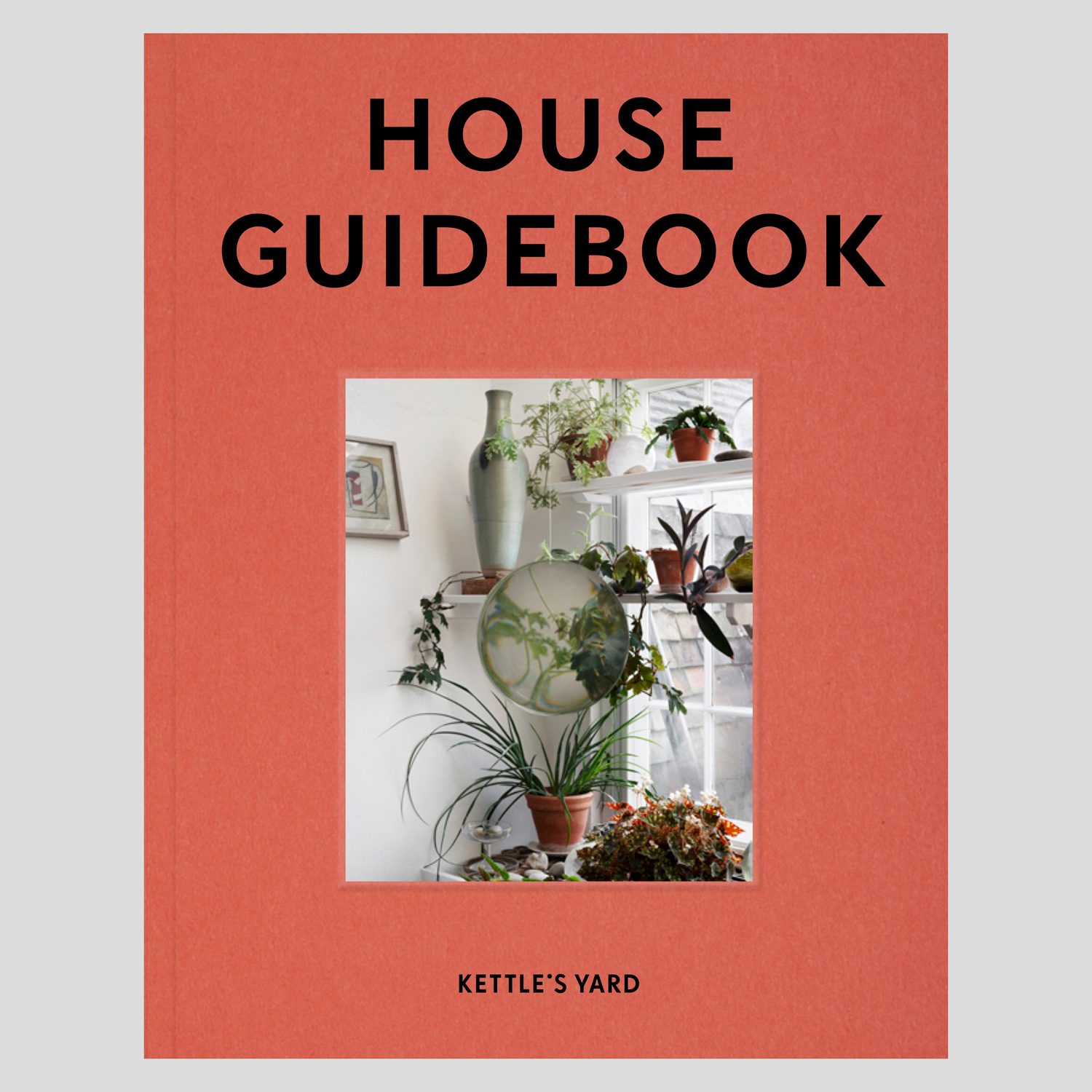
Kettle's Yard House Guidebook
Take a room-by-room journey through the Kettle’s Yard house, former residence of curator and ‘friend to artists’ Jim Ede and his wife Helen. Home to their substantial collection of 20th century art, furniture, ceramics, glass and objects from nature, the house remains open for visitors to experience as the Ede’s intended: art as a way of life.
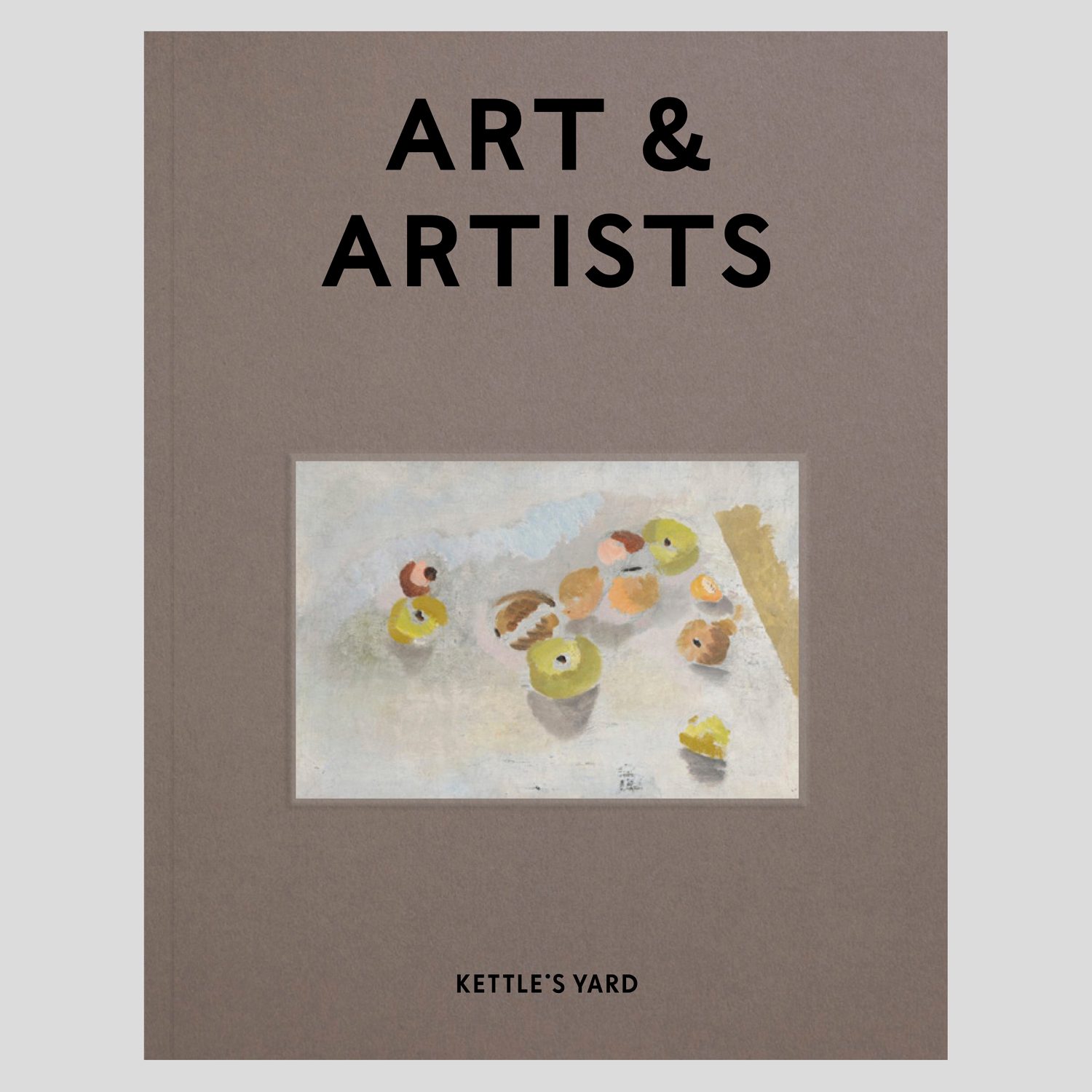
Kettle's Yard Art & Artists
Kettle’s Yard Art & Artists invites readers on an intimate journey through the remarkable collection assembled by Jim and Helen Ede. Describing himself as ‘a friend to artists’, Jim Ede was an avid letter writer and corresponded with many artists throughout his life, among them Barbara Hepworth, David Jones, Ben and Winifred Nicholson, Joan Miro and Alfred Wallis.
What's On

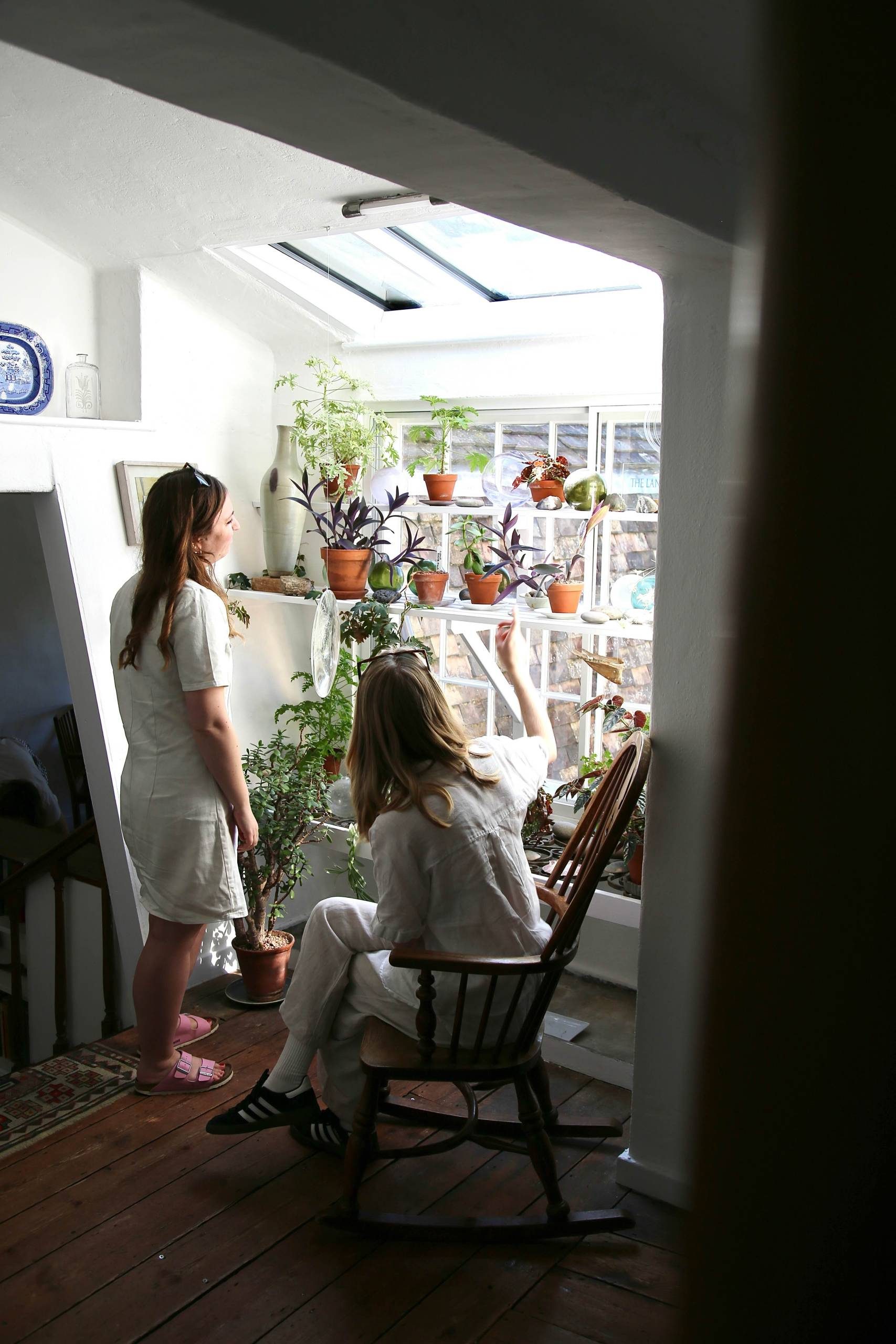
Explore the house and collection